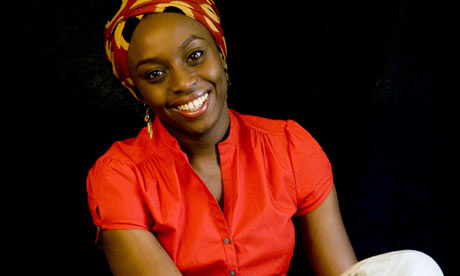
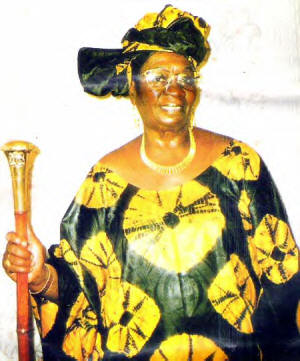
My brother got me a new digital camera, and it's pretty awesome. Here are some test shots, and I plan to have a self-photoshoot with it very soon.
"Maturity is gained from the mind and not age. Therefore if you want to do something positive in your life and/or others, do not be discouraged when people say 'you're too young or old to do that'" - Rujizzle
Sunday, August 21, 2011
Monday, August 15, 2011
#134: SLSC - Day 34
Day 34: Sierra Leone Company
The Sierra Leone Company was the corporate body involved in founding the second British colony in Africa in 1792 through the resettlement of black American ex-slaves (called the Nova Scotian Settlers) who had initially been settled in Nova Scotia after the American Revolutionary War. The company came about because of the work of the ardent abolitionists, Granville Sharp, Thomas Clarkson, Henry Thornton, and Thomas's brother, John Clarkson, who is considered one of the founding fathers of Sierra Leone.
The Sierra Leone Company was the successor to the St. George's Bay Company which had been founded to attempt a mostly unsuccessful effort in 1787 to establish a free settlement for the "Black Poor" of London, many of whom were Black Loyalists, who had escaped and fought for the British following Dunmore's Proclamation during the American War of Independence). The 1787 expedition was made up of 300 of London's Black Poor, 60 English Working class Women, and an assortment of white officials, clergy and craftsmen to assist in building the colony - 411 men, women and children in all. Upon landing, they founded Granville Town as their base. This first colony only lasted about two and a half years, decimated by disease and later abandonment. The coup de grace occurred in 1789, when the neighboring Temne people burned the settlement during a dispute between the Temne and slave traders.
To know more about the Sierra Leone Company, read this.
The Sierra Leone Company was the corporate body involved in founding the second British colony in Africa in 1792 through the resettlement of black American ex-slaves (called the Nova Scotian Settlers) who had initially been settled in Nova Scotia after the American Revolutionary War. The company came about because of the work of the ardent abolitionists, Granville Sharp, Thomas Clarkson, Henry Thornton, and Thomas's brother, John Clarkson, who is considered one of the founding fathers of Sierra Leone.
The Sierra Leone Company was the successor to the St. George's Bay Company which had been founded to attempt a mostly unsuccessful effort in 1787 to establish a free settlement for the "Black Poor" of London, many of whom were Black Loyalists, who had escaped and fought for the British following Dunmore's Proclamation during the American War of Independence). The 1787 expedition was made up of 300 of London's Black Poor, 60 English Working class Women, and an assortment of white officials, clergy and craftsmen to assist in building the colony - 411 men, women and children in all. Upon landing, they founded Granville Town as their base. This first colony only lasted about two and a half years, decimated by disease and later abandonment. The coup de grace occurred in 1789, when the neighboring Temne people burned the settlement during a dispute between the Temne and slave traders.
To know more about the Sierra Leone Company, read this.
Friday, August 5, 2011
Thursday, August 4, 2011
#132: I never P-word
So this summer has been VERY busy for me. I've busy with many things such as working with my philanthropy, back-to-school prepping, but more importantly, I've been spoiling myself with lots of family and friends time. I've been loving all of it, but it's been taking a little of my time from blogging and doing dance videos. However, knowing me and how I'm good with manipulating time, I'll make it work!
Oh by the way, the p-word that I was referring to earlier is "Promise." I am not a big fan of that word at all, because my life tends to be so spontaneous and unpredictable that I do not trust myself when it comes to offering promises. I'd rather stay hush about something than promising it to someone. For instance, I said I'd make lots of dance videos and blog exorbitantly this summer, but that hasn't happened yet. So I am very happy that I never promised because when promises are made but not accomplished, disappointment is the follow-up, and I do not like disappointing people; also, it gives no room for others to discredit you. The moral of the story is that I'd rather surprise than promise.
While out and about this summer with one of my friends, I decided to have a mini-photoshoot with one of y new fave outfits. It's a summer dress I purchased a couple of months ago and I absolutely adore it. I think my figure suits this outfit, and the dress compliments the summer season! There were more taken but my friend's phone's camera didn't have great quality for the high-fashion photoshoot I wanted. Check out the pictures below.
Oh by the way, the p-word that I was referring to earlier is "Promise." I am not a big fan of that word at all, because my life tends to be so spontaneous and unpredictable that I do not trust myself when it comes to offering promises. I'd rather stay hush about something than promising it to someone. For instance, I said I'd make lots of dance videos and blog exorbitantly this summer, but that hasn't happened yet. So I am very happy that I never promised because when promises are made but not accomplished, disappointment is the follow-up, and I do not like disappointing people; also, it gives no room for others to discredit you. The moral of the story is that I'd rather surprise than promise.
While out and about this summer with one of my friends, I decided to have a mini-photoshoot with one of y new fave outfits. It's a summer dress I purchased a couple of months ago and I absolutely adore it. I think my figure suits this outfit, and the dress compliments the summer season! There were more taken but my friend's phone's camera didn't have great quality for the high-fashion photoshoot I wanted. Check out the pictures below.
Monday, July 25, 2011
#131: Knowledge Is Her Power
This workshop will be a guide for girls and young women about the upcoming academic year, and how to be a successful student. Topics will include goal setting, time management, physical and mental health, note-taking tips, and many more. School giveaways will be available to attendees.
#130: SLSC - Day 33
Day 33: The First Lady
Mrs. Sia Nyama Koroma is a biochemist and psychiatric nurse. She is the wife of His Excellency Dr. Ernest Bai Koroma, and current First Lady of Sierra Leone. She was born on March 19, 1958 in Koidu Town, Kono district, in Sierra Leone; she is a member of the Kono ethnic group. She holds a Master of Science in Organic Chemistry from the University of London and a Bachelor of Science in Nursing from the University of London and Fourah Bay College in Freetown. She is the mother of two daughters, Alice and Danke Koroma.
Sierra Leone's First Lady Sia Nyama Koroma is a woman of substance but with a humble disposition despite her admirable life achievements. Although she hails from the most prominent political family in Kono District in Sierra Leone, prior to now, the highly educated Sia Koroma never sought the limelight but quietly stayed in the background, strategically supporting her husband's political ambitions, and also advocating for women's empowerment and maternal heath. Sia's deep faith and conviction as a born-again Christian has been well documented over the past few years as she settled into her official role.
Although I do not personally know First Lady Koroma, I can rightfully assume that she is an amazing woman from all the wonderful things she had done in her career, and also as a First Lady. She has been working arduously in developing the health care system for the people of Sierra Leone, especially for women and children. She is a great role model for all, and I highly admire her work for the community and for young Sierra Leoneans like me. May God continue to bless her with the passion and strength to continue doing great things!
To know more about First Lady Sia N. Koroma, visit here.
Mrs. Sia Nyama Koroma is a biochemist and psychiatric nurse. She is the wife of His Excellency Dr. Ernest Bai Koroma, and current First Lady of Sierra Leone. She was born on March 19, 1958 in Koidu Town, Kono district, in Sierra Leone; she is a member of the Kono ethnic group. She holds a Master of Science in Organic Chemistry from the University of London and a Bachelor of Science in Nursing from the University of London and Fourah Bay College in Freetown. She is the mother of two daughters, Alice and Danke Koroma.
Sierra Leone's First Lady Sia Nyama Koroma is a woman of substance but with a humble disposition despite her admirable life achievements. Although she hails from the most prominent political family in Kono District in Sierra Leone, prior to now, the highly educated Sia Koroma never sought the limelight but quietly stayed in the background, strategically supporting her husband's political ambitions, and also advocating for women's empowerment and maternal heath. Sia's deep faith and conviction as a born-again Christian has been well documented over the past few years as she settled into her official role.
Although I do not personally know First Lady Koroma, I can rightfully assume that she is an amazing woman from all the wonderful things she had done in her career, and also as a First Lady. She has been working arduously in developing the health care system for the people of Sierra Leone, especially for women and children. She is a great role model for all, and I highly admire her work for the community and for young Sierra Leoneans like me. May God continue to bless her with the passion and strength to continue doing great things!
To know more about First Lady Sia N. Koroma, visit here.
Wednesday, July 20, 2011
#129: HOAES (5)
So yesterday, I saw my result for my summer dynamics class and I was very happy to know that I got a passing grade (B); as much as I would have love to have gotten an A, I am very grateful for the B. I am happy because this is a class that I struggled so much in this summer, and the fact that it was a summer class made it more difficult. The reasons why I struggled are because this course content was intense, and my learning style was not very compatible with the professor's teaching style.
Dynamics being one of the branches of Engineering Mechanics is a very tough course and I consider it as an advance level of Engineering Physics with the constant presence of kinetics and kinematics. When I was in Engineering Physics (mechanics portion), I struggled in some of the content but I was lucky to have great friends in it, whom I studied with and we tutored each other. Towards the end of that semester, I was able to get a passing grade, but it was not my satisfactory grade. Due to the fact that I struggled in Physics, I was not very excited about Dynamics; I had taken Dynamics for a couple of weeks last Spring semester but dropped it due to the fact that it was very time-consuming and I was also taking Deforms (Mechanics of Deformable Bodies) and that is another difficult class, so I dropped it.
So this summer, I decided to take Dynamics by itself so I can fully concentrate on it, but also having rest some during my break from college. Although I am not a fan of summer classes, I decided to take this class because it's a prerequisite for a class I'm taking next semester and I just wanted to get it over with. Overall, I did not mind the class and even though it was a 4-hour-long class, I was okay with that because I looked towards the fact that it was only a 6-week-class. However, what I found difficult about this class was having to remember a lot of the things I had learned in Physics, Differential Equations, Statics, and also Calculus (1, 2, 3); yes, I passed all those classes but there were things that I struggled with back then so I did not appreciate them creeping up on me again. Also, the professor's teaching style was different from my learning style and there were no TAs (teaching assistants) but I am happy that I had a great textbook to refer to, and I worked arduously with my classmates outside of class.
My advice to present and future engineering students is to be ready to work hard, because the path involves some classes that will come with difficulty. What is also tough is that there will be times in this type of class whereby the professor may not be able to communicate well with you, so one has to make ways to succeed. Ways that can be made to succeed are by asking for help from whoever has accurate knowledge about the subject, reading books beyond the assigned textbooks, and also getting help from classmates. you start taking higher-level engineering classes, do not forget the content because they will most likely show up in future courses and practices.
Remember that engineering is a tough path for some but can be endured. Therefore, be the best student you can by working hard and passionately.
Dynamics being one of the branches of Engineering Mechanics is a very tough course and I consider it as an advance level of Engineering Physics with the constant presence of kinetics and kinematics. When I was in Engineering Physics (mechanics portion), I struggled in some of the content but I was lucky to have great friends in it, whom I studied with and we tutored each other. Towards the end of that semester, I was able to get a passing grade, but it was not my satisfactory grade. Due to the fact that I struggled in Physics, I was not very excited about Dynamics; I had taken Dynamics for a couple of weeks last Spring semester but dropped it due to the fact that it was very time-consuming and I was also taking Deforms (Mechanics of Deformable Bodies) and that is another difficult class, so I dropped it.
So this summer, I decided to take Dynamics by itself so I can fully concentrate on it, but also having rest some during my break from college. Although I am not a fan of summer classes, I decided to take this class because it's a prerequisite for a class I'm taking next semester and I just wanted to get it over with. Overall, I did not mind the class and even though it was a 4-hour-long class, I was okay with that because I looked towards the fact that it was only a 6-week-class. However, what I found difficult about this class was having to remember a lot of the things I had learned in Physics, Differential Equations, Statics, and also Calculus (1, 2, 3); yes, I passed all those classes but there were things that I struggled with back then so I did not appreciate them creeping up on me again. Also, the professor's teaching style was different from my learning style and there were no TAs (teaching assistants) but I am happy that I had a great textbook to refer to, and I worked arduously with my classmates outside of class.
My advice to present and future engineering students is to be ready to work hard, because the path involves some classes that will come with difficulty. What is also tough is that there will be times in this type of class whereby the professor may not be able to communicate well with you, so one has to make ways to succeed. Ways that can be made to succeed are by asking for help from whoever has accurate knowledge about the subject, reading books beyond the assigned textbooks, and also getting help from classmates. you start taking higher-level engineering classes, do not forget the content because they will most likely show up in future courses and practices.
Remember that engineering is a tough path for some but can be endured. Therefore, be the best student you can by working hard and passionately.
"Main Vari Vari" from the movie Manghal Pandey
#128: African Eleganza Thursday: Fundraiser For Change
African Eleganza Thursday: Fundraiser For Change will be an evening dedicated to showcase African music, culture, elegance, and intellect, but also raise awareness on issues happening in the continent.
Party Party Party for a Cause - Break the Chain of Poverty in Africa. This event will be a step towards accomplishing just that goal. ELEGANZA FOR CHANGE - AFRICAN ELEGANZA This event is sponsored by:
When You Believe Foundation
The Voice of DC http://www.facebook.com/gr La Belle Collection http://www.facebook.com/pa Troy-Massa Studios and Missions http://www.wix.com/massapi |
Facebook event page:
http://www.facebook.com/media/set/?set=a.1252656916371.2028309.1227961148&saved#!/event.php?eid=111912515571470
Tuesday, July 19, 2011
#127: SLSC - Day 32
Day 32: Military
The Military of Sierra Leone, officially the Republic of Sierra Leone Armed Forces (RSLAF), are the unified armed forces of Sierra Leone responsible for the territorial security of Sierra Leone's border and defending the national interests of Sierra Leone within the framework of its international obligations. The armed forces were formed after independence in 1961, on the basis of elements of the former British Royal West African Frontier Force present in the country. The Sierra Leone Armed Forces currently consist of around 15,500 personnel, comprising the largest Sierra Leone Army, the Sierra Leone Navy and the Sierra Leone Air Wing. The president of Sierra Leone is the Commander in Chief of the military, with the Minister of Defence responsible for defence policy and the formulation of the armed forces. The current Sierra Leone Defence Minister is Ret. Major Alfred Paolo Conteh. The Military of Sierra Leone also has a Chief of the Defence Staff who is a uniformed military official responsible for the administration and the operational control of the Sierra Leone military. Brigadier General Alfred Nelson-Williams who was appointed by president Koroma succeeded the retired Major General Edward Sam M’boma on 12 September 2008 as the Chief of Defence Staff of the Military.
Before Sierra Leone gained independence in 1961 the military was known as the Royal Sierra Leone Military Force. The military seized control in 1968, bringing the National Reformation Council into power. On 19 April 1971, when Sierra Leone became a republic, the Royal Sierra Leone Military Forces were renamed the Republic of Sierra Leone Military Force (RSLMF). The RSLMF remained a single service organization until 1979, when the Sierra Leone Navy was established. It then remained largely unchanged for 16 years until in 1995 when Defence Headquarters was established and the Sierra Leone Air Wing formed. This gave the need for the RSLMF to be renamed the Armed Forces of the Republic of Sierra Leone (AFRSL).
To know more about the military of Sierra Leone, visit this website.
The Military of Sierra Leone, officially the Republic of Sierra Leone Armed Forces (RSLAF), are the unified armed forces of Sierra Leone responsible for the territorial security of Sierra Leone's border and defending the national interests of Sierra Leone within the framework of its international obligations. The armed forces were formed after independence in 1961, on the basis of elements of the former British Royal West African Frontier Force present in the country. The Sierra Leone Armed Forces currently consist of around 15,500 personnel, comprising the largest Sierra Leone Army, the Sierra Leone Navy and the Sierra Leone Air Wing. The president of Sierra Leone is the Commander in Chief of the military, with the Minister of Defence responsible for defence policy and the formulation of the armed forces. The current Sierra Leone Defence Minister is Ret. Major Alfred Paolo Conteh. The Military of Sierra Leone also has a Chief of the Defence Staff who is a uniformed military official responsible for the administration and the operational control of the Sierra Leone military. Brigadier General Alfred Nelson-Williams who was appointed by president Koroma succeeded the retired Major General Edward Sam M’boma on 12 September 2008 as the Chief of Defence Staff of the Military.
Before Sierra Leone gained independence in 1961 the military was known as the Royal Sierra Leone Military Force. The military seized control in 1968, bringing the National Reformation Council into power. On 19 April 1971, when Sierra Leone became a republic, the Royal Sierra Leone Military Forces were renamed the Republic of Sierra Leone Military Force (RSLMF). The RSLMF remained a single service organization until 1979, when the Sierra Leone Navy was established. It then remained largely unchanged for 16 years until in 1995 when Defence Headquarters was established and the Sierra Leone Air Wing formed. This gave the need for the RSLMF to be renamed the Armed Forces of the Republic of Sierra Leone (AFRSL).
To know more about the military of Sierra Leone, visit this website.
Sunday, July 17, 2011
#126: SLSC - Day 31
Day 31: Sierra Leone Times
As written on the website:
"Sierra Leone Times was established in September 2002 to provide up-to-the minute local news, together with national and international headlines as part of a global network pooling resources to deliver a quality service to member sites. Each online publication has been modeled on a newspaper format for familiar readability by users. The locations forming part of the network were selected on the basis of demand for news for that location.
Sierra Leone Times, effectively an online newspaper, provides coverage of the city, the metro, and regional area. International news, business and finance stories are common across the network of sites, and are drawn from a number of sources including wire services.
Sierra Leone Times and the other sites are administered by Midwest Radio Network from offices in Sydney, Australia."
Visit the Sierra Leone Times website, and know more about this medium.
As written on the website:
"Sierra Leone Times was established in September 2002 to provide up-to-the minute local news, together with national and international headlines as part of a global network pooling resources to deliver a quality service to member sites. Each online publication has been modeled on a newspaper format for familiar readability by users. The locations forming part of the network were selected on the basis of demand for news for that location.
Sierra Leone Times, effectively an online newspaper, provides coverage of the city, the metro, and regional area. International news, business and finance stories are common across the network of sites, and are drawn from a number of sources including wire services.
Sierra Leone Times and the other sites are administered by Midwest Radio Network from offices in Sydney, Australia."
Visit the Sierra Leone Times website, and know more about this medium.
Friday, July 15, 2011
#125: SLSC - Day 30
Day 30: Steady Bongo
Steady Bongo (born Lansana Sheriff) is one of the most famous musicians to come from my wonderful country, Sierra Leone. He was born in Daru, Kailahun district in Sierra Leone to a Mende mother and a Madingo father. He is a musician, record producer, choreographer, and dancer. His songs are always meaningful and convey various messages of hope, pride, love, and many more. Something else that I really admire about him as an artist is his real and true depiction of Sierra Leonean/African pride in his endeavors.
From an early age, he performed on stage, imitating musicians such as the legendary Big Fayia, Samile, Eric Donaldson, and Prince Nico. He hosted a program called "Variety Time" at the Sierra Leone Broadcasting Service (SLBS). His first album, Ready Before You Married, was released in 1991 and became an instant success not only in Sierra Leone, but in neighbouring countries as well. His second album Kormot Bi En Me, released in 1996, received the Best Album Award and had record-breaking sales. The album was the first of Steady Bongo's records to be released on CD in the United States. In 1998, he released Welcome to Democracy Na Salone and Born For Suffer in 1999. He's one of the first musicians that popularised Sierra Leone music to the outside world.
A couple of weeks ago, I had the pleasure of attending his concert and got to talk with him. I had so much fun at the concert, and getting to know him. He is an amazing performer, dancer, funny, and all-round entertainer. And of course me being the impatient dancer that I am, I had to join him up on stage when he performed one of his new songs. He's such a great sport, and I had fun dancing with him. I definitely recommend everyone to get his new album, and attend at least one of his concerts in the near future.
Steady Bongo (born Lansana Sheriff) is one of the most famous musicians to come from my wonderful country, Sierra Leone. He was born in Daru, Kailahun district in Sierra Leone to a Mende mother and a Madingo father. He is a musician, record producer, choreographer, and dancer. His songs are always meaningful and convey various messages of hope, pride, love, and many more. Something else that I really admire about him as an artist is his real and true depiction of Sierra Leonean/African pride in his endeavors.
From an early age, he performed on stage, imitating musicians such as the legendary Big Fayia, Samile, Eric Donaldson, and Prince Nico. He hosted a program called "Variety Time" at the Sierra Leone Broadcasting Service (SLBS). His first album, Ready Before You Married, was released in 1991 and became an instant success not only in Sierra Leone, but in neighbouring countries as well. His second album Kormot Bi En Me, released in 1996, received the Best Album Award and had record-breaking sales. The album was the first of Steady Bongo's records to be released on CD in the United States. In 1998, he released Welcome to Democracy Na Salone and Born For Suffer in 1999. He's one of the first musicians that popularised Sierra Leone music to the outside world.
A couple of weeks ago, I had the pleasure of attending his concert and got to talk with him. I had so much fun at the concert, and getting to know him. He is an amazing performer, dancer, funny, and all-round entertainer. And of course me being the impatient dancer that I am, I had to join him up on stage when he performed one of his new songs. He's such a great sport, and I had fun dancing with him. I definitely recommend everyone to get his new album, and attend at least one of his concerts in the near future.
Thursday, July 7, 2011
#124: SLSC - Day 29
Day 29: Rice
Rice is my ultimate favorite meal in the whole world, and I think being a Sierra Leonean has something to do with that because it is the country's staple food. My favorite type of rice is called "fen fen" and the grains are vey thin. In my opinion, I believe that rice with anything is a real meal and I can rarely go days without eating rice. It just taste so amazing, and I am very pro-rice, so rice manufacturers should contact me and I'd be their spokesmodel.
Rice is very well established in the agriculture and diets of Sierra Leone. People there consume an estimated 530,000 tonnes of rice annually, or more than 200 kg per capita. Ricelands cover some 180,000 ha and annual production is about 200,000 tonnes.
Rice is my ultimate favorite meal in the whole world, and I think being a Sierra Leonean has something to do with that because it is the country's staple food. My favorite type of rice is called "fen fen" and the grains are vey thin. In my opinion, I believe that rice with anything is a real meal and I can rarely go days without eating rice. It just taste so amazing, and I am very pro-rice, so rice manufacturers should contact me and I'd be their spokesmodel.
Rice is very well established in the agriculture and diets of Sierra Leone. People there consume an estimated 530,000 tonnes of rice annually, or more than 200 kg per capita. Ricelands cover some 180,000 ha and annual production is about 200,000 tonnes.
Most rice is produced in upland systems, which account for 64% of total national rice area. Inland valley swamp systems are the second major ecosystem, covering another 26%. Only a small portion, less than 5%, of the inland valley swamp rice area has been developed, permitting partial water control.
The main planting season is April-July, with harvesting between September and January. Upland rice is directly seeded in association with other crops in slash-and-burn shifting cultivation. In other ecologies, transplanting is used. Land preparation is usually done manually with hand hoes, and modern production inputs are rarely applied. As a result, the average yield is a low 1.3 tonnes/ha.
Domestic rice production has stagnated, and Sierra Leone now meets only 70% of its total requirements. As the country recovers from civil strife, sustainable rice production will depend on greater support for input supply and output marketing, and development of lowland rice production.
Jollof rice is a national dish served in nearly all ceremonies across the country - at weddings, funerals and social gatherings. It is a common dish on restaurant menus.
***Information provided was taken from International Year of Rice.
Raw white rice
Cooked jollof rice
Tuesday, July 5, 2011
#123: SLSC - Day 28
Day 28: The Civil War
The Sierra Leone Civil War began on 23 March 1991 when the Revolutionary United Front (RUF), with support from the special forces of Charles Taylor’s National Patriotic Front of Liberia (NPFL), intervened in Sierra Leone in an attempt to overthrow the Momoh government, sparking a gruesome 11-year civil war that enveloped the country and left over 50,000 dead.
During the first year of the war, the RUF took control of large swathes of territory in Eastern and Southern Sierra Leone rich in alluvial diamonds. The government's ineffective response to the RUF and the disruption in government diamond production precipitated a military coup d'état in April 1992 by the National Provisional Ruling Council (NPRC). By the end of 1993 the Sierra Leone Army (SLA) had succeeded in pushing the RUF rebels back to the Liberian border, but the RUF recovered and fighting continued. In March 1995, Executive Outcomes (EO), a South Africa-based private military company, was hired to repel the RUF. An elected civilian government was installed in March 1996 and the retreating RUF signed the Abidjan Peace Accord. However, the government, under UN pressure, terminated its contract with EO before the accord could be implemented and hostilities recommenced.
In May 1997 a group of disgruntled SLA officers staged a coup and established the Armed Forces Revolutionary Council (AFRC) as the new government of Sierra Leone. The RUF joined with the AFRC to capture Freetown with little resistance. The new government, led by Johnny Paul Koroma, declared the war officially over, and a wave of looting, rape, and murder followed the announcement. Reflecting international dismay at the overturning of the civilian government, ECOMOG forces intervened and retook Freetown on behalf of the government, but they found the outlying regions more difficult to pacify.
In January 1999 world leaders intervened diplomatically to promote negotiations between the RUF and the government. The Lome Peace Accord, signed on 27 March 1999, was the result. Lome gave Foday Sankoh, the commander of the RUF, the vice presidency and control of Sierra Leone's diamond mines in return for a cessation of the fighting and the deployment of a UN peacekeeping force to monitor the disarmament process. However, RUF compliance with the disarmament process was inconsistent and sluggish, and by May 2000 the rebels were advancing upon Freetown once again. The British intervened to save the flailing UN mission and the weak government of President Ahmad Tejan Kabbah. With help from a renewed UN mandate and Guinean air support, the British Operation Palliser finally defeated the RUF. On 18 January 2002, President Kabbah declared the Sierra Leone Civil War officially over.
P.S.: This information above was provided from Wikipedia.
The Sierra Leone Civil War began on 23 March 1991 when the Revolutionary United Front (RUF), with support from the special forces of Charles Taylor’s National Patriotic Front of Liberia (NPFL), intervened in Sierra Leone in an attempt to overthrow the Momoh government, sparking a gruesome 11-year civil war that enveloped the country and left over 50,000 dead.
During the first year of the war, the RUF took control of large swathes of territory in Eastern and Southern Sierra Leone rich in alluvial diamonds. The government's ineffective response to the RUF and the disruption in government diamond production precipitated a military coup d'état in April 1992 by the National Provisional Ruling Council (NPRC). By the end of 1993 the Sierra Leone Army (SLA) had succeeded in pushing the RUF rebels back to the Liberian border, but the RUF recovered and fighting continued. In March 1995, Executive Outcomes (EO), a South Africa-based private military company, was hired to repel the RUF. An elected civilian government was installed in March 1996 and the retreating RUF signed the Abidjan Peace Accord. However, the government, under UN pressure, terminated its contract with EO before the accord could be implemented and hostilities recommenced.
In May 1997 a group of disgruntled SLA officers staged a coup and established the Armed Forces Revolutionary Council (AFRC) as the new government of Sierra Leone. The RUF joined with the AFRC to capture Freetown with little resistance. The new government, led by Johnny Paul Koroma, declared the war officially over, and a wave of looting, rape, and murder followed the announcement. Reflecting international dismay at the overturning of the civilian government, ECOMOG forces intervened and retook Freetown on behalf of the government, but they found the outlying regions more difficult to pacify.
In January 1999 world leaders intervened diplomatically to promote negotiations between the RUF and the government. The Lome Peace Accord, signed on 27 March 1999, was the result. Lome gave Foday Sankoh, the commander of the RUF, the vice presidency and control of Sierra Leone's diamond mines in return for a cessation of the fighting and the deployment of a UN peacekeeping force to monitor the disarmament process. However, RUF compliance with the disarmament process was inconsistent and sluggish, and by May 2000 the rebels were advancing upon Freetown once again. The British intervened to save the flailing UN mission and the weak government of President Ahmad Tejan Kabbah. With help from a renewed UN mandate and Guinean air support, the British Operation Palliser finally defeated the RUF. On 18 January 2002, President Kabbah declared the Sierra Leone Civil War officially over.
P.S.: This information above was provided from Wikipedia.
Friday, June 17, 2011
#122: Fashion faves - Hats
Lately I don't know, but I've had a fascination with hats. So in order to make my hat fantasies come true, I am going to keep my education going, so I can get a good job after graduating university and use some of my money for hats. So my want for hat will be another motivation for me to remain in school and continue my journey in becoming an engineer. I think my love for hats also comes from my (paternal) grandmother because she absolutely loves hat and has so many in her collection; she has hats with all shapes, sizes, and colors. However when I was younger, I was not very interested in it because I thought of hats as an adult and boring thing, but my thoughts on that have changed nowadays. Here are some pictures below that I took with my friend, when we visited a fashion boutique. The boutique had so many beautiful hats, but they were all VERY expensive, especially for a student's budget. I absolutely fell in love with that hat, and had a difficult time letting go.
Thursday, June 16, 2011
#121: SLSC - Day 27
Day 27: Day of the African Child
In 1976, thousands of black school children took to the streets of Soweto, South Africa. In a march more than half a mile long, they protested the inferior quality of their education and demanded their right to be taught in their own language. Hundreds of young boys and girls were shot down by security forces. In the two weeks of protest that followed, more than a hundred people were killed and more than a thousand were injured. To honour the memory of those killed and the courage of all those who marched, the Day of the African Child has been celebrated on 16 June every year since 1991, when it was first initiated by the Organization of African Unity (now the African Union). To know more about this day, read this.
My memories of this day in Sierra Leone as a student are so great, and I really miss those days. On this day, we would all wear Africanas (word for African outfit in krio) to school rather than our school uniforms. In addition, we bring in several African meals to share with our classmates and teachers. Several cultural performances are done also during the school day, and it's pretty much a big African cultural party. During the commemoration of this day, the national television channel at that time, Sierra Leone Broadcasting Service (SLBS), always played Sarafina! at night.
The movie, Sarafina!, chronicles the life of students involved in the Soweto Riots, in opposition to the implementation of Afrikaans as the language of instruction in schools. The character Sarafina (Leleti Kumalo) feels shame at her mother's (Miriam Makeba) acceptance of her role as domestic servant in a white household in apartheid South Africa, and inspires her peers to rise up in protest, especially after her inspirational teacher, Mary Masombuka (Whoopi Goldberg) is imprisoned. This is a great movie, and I highly recommend Africans and people of the world to watch it because it has a great message and also really good music.
As an African child and a Sierra Leonean woman, I am very grateful for this day because it reminds me of the struggles that my fellow African children have endured. Commemorations like this embody the strength, drive, and beauty of children, and shows that when great and powerful minds come together, regardless of age, they can achieve great things and make positive changes. When I think about this day and its meaning, it makes me more proud of my heritage and its our past, but also hope for Africa's future.
In 1976, thousands of black school children took to the streets of Soweto, South Africa. In a march more than half a mile long, they protested the inferior quality of their education and demanded their right to be taught in their own language. Hundreds of young boys and girls were shot down by security forces. In the two weeks of protest that followed, more than a hundred people were killed and more than a thousand were injured. To honour the memory of those killed and the courage of all those who marched, the Day of the African Child has been celebrated on 16 June every year since 1991, when it was first initiated by the Organization of African Unity (now the African Union). To know more about this day, read this.
My memories of this day in Sierra Leone as a student are so great, and I really miss those days. On this day, we would all wear Africanas (word for African outfit in krio) to school rather than our school uniforms. In addition, we bring in several African meals to share with our classmates and teachers. Several cultural performances are done also during the school day, and it's pretty much a big African cultural party. During the commemoration of this day, the national television channel at that time, Sierra Leone Broadcasting Service (SLBS), always played Sarafina! at night.
The movie, Sarafina!, chronicles the life of students involved in the Soweto Riots, in opposition to the implementation of Afrikaans as the language of instruction in schools. The character Sarafina (Leleti Kumalo) feels shame at her mother's (Miriam Makeba) acceptance of her role as domestic servant in a white household in apartheid South Africa, and inspires her peers to rise up in protest, especially after her inspirational teacher, Mary Masombuka (Whoopi Goldberg) is imprisoned. This is a great movie, and I highly recommend Africans and people of the world to watch it because it has a great message and also really good music.
As an African child and a Sierra Leonean woman, I am very grateful for this day because it reminds me of the struggles that my fellow African children have endured. Commemorations like this embody the strength, drive, and beauty of children, and shows that when great and powerful minds come together, regardless of age, they can achieve great things and make positive changes. When I think about this day and its meaning, it makes me more proud of my heritage and its our past, but also hope for Africa's future.
Scenes from the movie, Sarafina!
Wednesday, June 8, 2011
#120: Fashion Raises Awareness
Saturday, June 18, 2011 - Fashion Raising Awareness
Time: 7-10pm; show starts at 7:45pm
Location: The Shadow Room [2131 K Street NW, Washington, DC 20037]
For tickets, visit: http://dvwmt-ruby.eventbrite.com/
"FASHION RAISES AWARENESS TO THE MANY TAGS OF DOMESTIC VIOLENCE" is a benefit launch event for the organization, Domestic Violence Wears Many Tags. This Fashion Show will showcase local stylists, artists and designers from the Washington DC Metro Area.
This event is co-sponsored by When You Believe Foundation. The mission of When You Believe Foundation is to do outreach, raise awareness, provide assistance, enhance the lifestyle, promote self-sufficiency, and empower girls and women in all communities.
Please come out that evening to support, raise awareness, and raise money for an important cause. Hope to see you there.
For more information about Domestic Violence Wears Many Tags, visit: http://www.dvwmt.org/
For more information about When You Believe Foundation, visit: http://www.whenyoubelievefoundation.webs.com/
Time: 7-10pm; show starts at 7:45pm
Location: The Shadow Room [2131 K Street NW, Washington, DC 20037]
For tickets, visit: http://dvwmt-ruby.eventbrite.com/
"FASHION RAISES AWARENESS TO THE MANY TAGS OF DOMESTIC VIOLENCE" is a benefit launch event for the organization, Domestic Violence Wears Many Tags. This Fashion Show will showcase local stylists, artists and designers from the Washington DC Metro Area.
This event is co-sponsored by When You Believe Foundation. The mission of When You Believe Foundation is to do outreach, raise awareness, provide assistance, enhance the lifestyle, promote self-sufficiency, and empower girls and women in all communities.
Please come out that evening to support, raise awareness, and raise money for an important cause. Hope to see you there.
For more information about Domestic Violence Wears Many Tags, visit: http://www.dvwmt.org/
For more information about When You Believe Foundation, visit: http://www.whenyoubelievefoundation.webs.com/
Saturday, June 4, 2011
#119: Importance of reading and writing
I came across this amazing video of award-winning author Chimamanda Ngozie Adichie and wanted to share it with you all. ENJOY!
Friday, June 3, 2011
#118: SLSC - Day 26
Day 26: Rujizzle reflects
The past couple of weeks have been very intense yet interesting for me. I've been working with the amazing team of Sierra Theatre Productions for the play, "Let Me Die Alone: The Life and Times of Madam Yoko," which was performed tonight. I had a blast at the show tonight and I did my best, which the entire cast did as well. I am very grateful for this opportunity to get back into theater acting, because it's been a long time since I did something like this and I had a blast. Preparing for this event was a lot of fun, and getting to work with so many wonderful people from my country, Sierra Leone.
Yes, I am a Sierra Leonean and I do mingle with Sierra Leoneans in several ocassions. However, my interaction is quite limited due to several factors such as my location and interests. I really liked working with the cast because I sometimes felt that I took mini-trips to Sierra Leone and back in their presence. Some of the cast members even told me that I laugh a lot, but what they did not know is that my laughters were sometimes derived from hearing certain krio words or stories which I haven't heard in a long time and they brought great memories.
Indeed rehearsals were intense several times, but the environment and mood of the cast and crew made it a pleasurable experience for me. Everyone was very respectful, sweet, caring, fun, and overall we were like a family. It made me fall in love more with my country, my culture, and my Sierra Leonean people. Being part of this play tonight also brought back wonderful memories of when I used to do theater performances in Sierra Leone and Nigeria, and my passions for theater arts.
Although I write poetry and monologues, it was quite a challenge for me to memorize lines in the script. Honestly, the last time I did live theater was in 2007, when I wrote a play for my High School African Club, and it was not very intimidating to do that because I was the writer, so I already had ideas and sequences in my head from memory of what my scenes were. What was a bit nervewracking with this play today was that this performance was no longer a solo performance as I have doing over the past couple of years, but my scenes were dependent on other cast members that I interact with, so there was definitely no room for mess-ups. In addition, I needed to be on my best behavior because this play was one of the events that commemorated Sierra Leone's 50th Independence celebrations, and Mammy Yoko is one of Sierra Leone's greatest women!
Like I always say, I had BLASTY BLAST and by the grace of God I hope to work more with Sierra Theatre Productions and many more theater performances.
P.S.: Acting was my first love, but I am and will remain passionate about dance as well, so don't think I'll slow down on that. Now all I need to do is create paths for myself whereby I can incorporate theater, dance, and writing into my performances, and then I'll be golden!
The past couple of weeks have been very intense yet interesting for me. I've been working with the amazing team of Sierra Theatre Productions for the play, "Let Me Die Alone: The Life and Times of Madam Yoko," which was performed tonight. I had a blast at the show tonight and I did my best, which the entire cast did as well. I am very grateful for this opportunity to get back into theater acting, because it's been a long time since I did something like this and I had a blast. Preparing for this event was a lot of fun, and getting to work with so many wonderful people from my country, Sierra Leone.
Yes, I am a Sierra Leonean and I do mingle with Sierra Leoneans in several ocassions. However, my interaction is quite limited due to several factors such as my location and interests. I really liked working with the cast because I sometimes felt that I took mini-trips to Sierra Leone and back in their presence. Some of the cast members even told me that I laugh a lot, but what they did not know is that my laughters were sometimes derived from hearing certain krio words or stories which I haven't heard in a long time and they brought great memories.
Indeed rehearsals were intense several times, but the environment and mood of the cast and crew made it a pleasurable experience for me. Everyone was very respectful, sweet, caring, fun, and overall we were like a family. It made me fall in love more with my country, my culture, and my Sierra Leonean people. Being part of this play tonight also brought back wonderful memories of when I used to do theater performances in Sierra Leone and Nigeria, and my passions for theater arts.
Although I write poetry and monologues, it was quite a challenge for me to memorize lines in the script. Honestly, the last time I did live theater was in 2007, when I wrote a play for my High School African Club, and it was not very intimidating to do that because I was the writer, so I already had ideas and sequences in my head from memory of what my scenes were. What was a bit nervewracking with this play today was that this performance was no longer a solo performance as I have doing over the past couple of years, but my scenes were dependent on other cast members that I interact with, so there was definitely no room for mess-ups. In addition, I needed to be on my best behavior because this play was one of the events that commemorated Sierra Leone's 50th Independence celebrations, and Mammy Yoko is one of Sierra Leone's greatest women!
Like I always say, I had BLASTY BLAST and by the grace of God I hope to work more with Sierra Theatre Productions and many more theater performances.
P.S.: Acting was my first love, but I am and will remain passionate about dance as well, so don't think I'll slow down on that. Now all I need to do is create paths for myself whereby I can incorporate theater, dance, and writing into my performances, and then I'll be golden!
Here's a picture I took backstage before tonight's event.
Thursday, June 2, 2011
#117: SLSC - Day 25
Day 25: Madam Ella Koblo Gulama
Madam Ella Koblo Gulama (26 January 1921 - 10 September 2006) was a Sierra Leonean paramount chief and politician. In 1957, she became the first elected female Member of Parliament in Sierra Leone and all of sub-Saharan Africa. She was re-elected in 1962. During the government of Milton Margai, Gulama became Sierra Leone and sub-Saharan Africa's first female Cabinet Minister. Gulama was represented Sierra Leone abroad and her travels took her all over Africa, Europe, North America and the Middle East. In 1957 as a guest of the State Department, she toured the United States for 4 months during which met with Vice President Richard Nixon.
Gulama had a distinguished career in politics and was a pioneering female leader. Her life was defined by service. She was a member of the Sierra Leone People's Party (SLPP), which her father helped establish. In 1957 Gulama embarked on a political career and became a Member of the Moyamba District Council. She was the first woman to be elected to Sierra Leone's House of Representatives as Paramount Chief Member for Moyamba District. In 1962 she was re-elected and Prime Minister Milton Margai made her a Cabinet Minister. From 1960 to 1967 Gulama was President of the Federation of Women's Organisations in Sierra Leone.
One of Gulama's passions was the promotion of education for girls and the improvement of the female condition in Sierra Leone. She served at her alma mater, Harford School for Girls as a member of the Board of Governors. Gulama was also a member of the Sierra Leone government Scholarship Advisory Board and the Bursary Committee of Fourah Bay College.
She was the recipient of several awards including the MBE in 1959, the OBE in 1966 from Her Majesty Queen Elizabeth and the Order of the Rokel Award from former President Ahmed Tejan Kabbah.
Madam Ella Koblo Gulama (26 January 1921 - 10 September 2006) was a Sierra Leonean paramount chief and politician. In 1957, she became the first elected female Member of Parliament in Sierra Leone and all of sub-Saharan Africa. She was re-elected in 1962. During the government of Milton Margai, Gulama became Sierra Leone and sub-Saharan Africa's first female Cabinet Minister. Gulama was represented Sierra Leone abroad and her travels took her all over Africa, Europe, North America and the Middle East. In 1957 as a guest of the State Department, she toured the United States for 4 months during which met with Vice President Richard Nixon.
Gulama had a distinguished career in politics and was a pioneering female leader. Her life was defined by service. She was a member of the Sierra Leone People's Party (SLPP), which her father helped establish. In 1957 Gulama embarked on a political career and became a Member of the Moyamba District Council. She was the first woman to be elected to Sierra Leone's House of Representatives as Paramount Chief Member for Moyamba District. In 1962 she was re-elected and Prime Minister Milton Margai made her a Cabinet Minister. From 1960 to 1967 Gulama was President of the Federation of Women's Organisations in Sierra Leone.
One of Gulama's passions was the promotion of education for girls and the improvement of the female condition in Sierra Leone. She served at her alma mater, Harford School for Girls as a member of the Board of Governors. Gulama was also a member of the Sierra Leone government Scholarship Advisory Board and the Bursary Committee of Fourah Bay College.
She was the recipient of several awards including the MBE in 1959, the OBE in 1966 from Her Majesty Queen Elizabeth and the Order of the Rokel Award from former President Ahmed Tejan Kabbah.
Wednesday, June 1, 2011
#116: SLSC - Day 24
Day 24: Krio
Sierra Leone Krio is the lingua franca and the de facto national language spoken throughout the West African nation of Sierra Leone. Krio is spoken by 97% of Sierra Leone's population and unites the different ethnic groups in the country, especially in their trade and social interaction with each other. Krio is the primary language of communication among Sierra Leoneans at home and abroad. The language is native to the Sierra Leone Creole people or Krios, (a community of about 300,000 descendants of freed slaves from the West Indies, United States and United Kingdom), but it is spoken as a second language by millions of other Sierra Leoneans belonging to the country's indigenous tribes. English is Sierra Leone's official language, while Krio, despite its common use throughout the country, has no official status.
The Krio language is an offshoot of the language brought by the Nova Scotian Settlers from North America, Maroons from Jamaica, and the numerous liberated African slaves who settled in Sierra Leone.
The vocabulary of Krio is derived primarily from English, while its sound system, grammar and sentence structure are heavily influenced by at least 12 African languages, including aspects of the Yoruba language of Nigeria. Krio's standard greeting, kushe, for instance, is derived from the Yoruba greeting è kú işé ("greetings on your work"); the krio word "pan", meaning (on top of/doing something), descends directly from the Jamaican patois word "pon", meaning the same thing; the krio expression "chaka-chaka", meaning (messy/untidy), also descends from Jamaican patois. This is because some of the freed slaves were from the West Indies, and in particular Jamaica (Jamaican Maroons).
All freed slaves—the Jamaican Maroons, African Americans, Nova Scotian Settlers, Sierra Leone Liberated Africans—influenced Krio, but the Jamaican Maroons, Nova Scotian Settlers, and Yoruba Liberated Africans were the most influential. The basic English structure of Krio is an offshoot of the English spoken by the Nova Scotians, while some of the African words in Krio come from the Yoruba language spoken by liberated Yorubas.
Krio is distinct from Pidgin English as it is an English-based creole language but more of a language in its own right, with fixed grammatical structures and rules. Krio also draws extensively from other European languages, namely Portuguese and French, e.g. the krio word "gentri/gentree", which means wealth or to acquire wealth is derived from the Old French word "gentry".
P.S.: The information provided above was derived from Wikipedia.
Sierra Leone Krio is the lingua franca and the de facto national language spoken throughout the West African nation of Sierra Leone. Krio is spoken by 97% of Sierra Leone's population and unites the different ethnic groups in the country, especially in their trade and social interaction with each other. Krio is the primary language of communication among Sierra Leoneans at home and abroad. The language is native to the Sierra Leone Creole people or Krios, (a community of about 300,000 descendants of freed slaves from the West Indies, United States and United Kingdom), but it is spoken as a second language by millions of other Sierra Leoneans belonging to the country's indigenous tribes. English is Sierra Leone's official language, while Krio, despite its common use throughout the country, has no official status.
The Krio language is an offshoot of the language brought by the Nova Scotian Settlers from North America, Maroons from Jamaica, and the numerous liberated African slaves who settled in Sierra Leone.
The vocabulary of Krio is derived primarily from English, while its sound system, grammar and sentence structure are heavily influenced by at least 12 African languages, including aspects of the Yoruba language of Nigeria. Krio's standard greeting, kushe, for instance, is derived from the Yoruba greeting è kú işé ("greetings on your work"); the krio word "pan", meaning (on top of/doing something), descends directly from the Jamaican patois word "pon", meaning the same thing; the krio expression "chaka-chaka", meaning (messy/untidy), also descends from Jamaican patois. This is because some of the freed slaves were from the West Indies, and in particular Jamaica (Jamaican Maroons).
All freed slaves—the Jamaican Maroons, African Americans, Nova Scotian Settlers, Sierra Leone Liberated Africans—influenced Krio, but the Jamaican Maroons, Nova Scotian Settlers, and Yoruba Liberated Africans were the most influential. The basic English structure of Krio is an offshoot of the English spoken by the Nova Scotians, while some of the African words in Krio come from the Yoruba language spoken by liberated Yorubas.
Krio is distinct from Pidgin English as it is an English-based creole language but more of a language in its own right, with fixed grammatical structures and rules. Krio also draws extensively from other European languages, namely Portuguese and French, e.g. the krio word "gentri/gentree", which means wealth or to acquire wealth is derived from the Old French word "gentry".
P.S.: The information provided above was derived from Wikipedia.
Subscribe to:
Posts (Atom)